
antique mirror wall panels
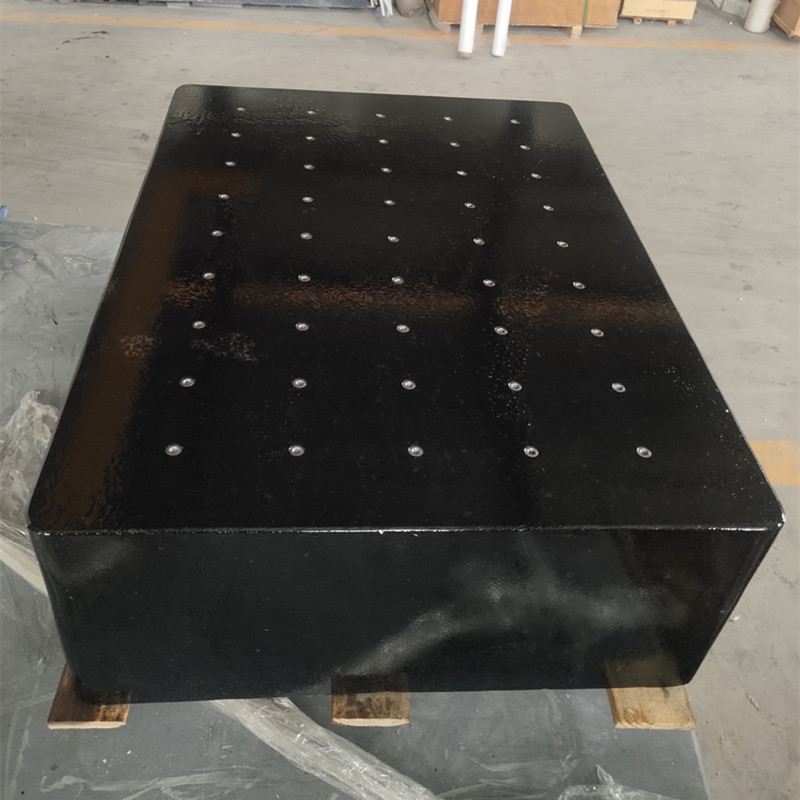
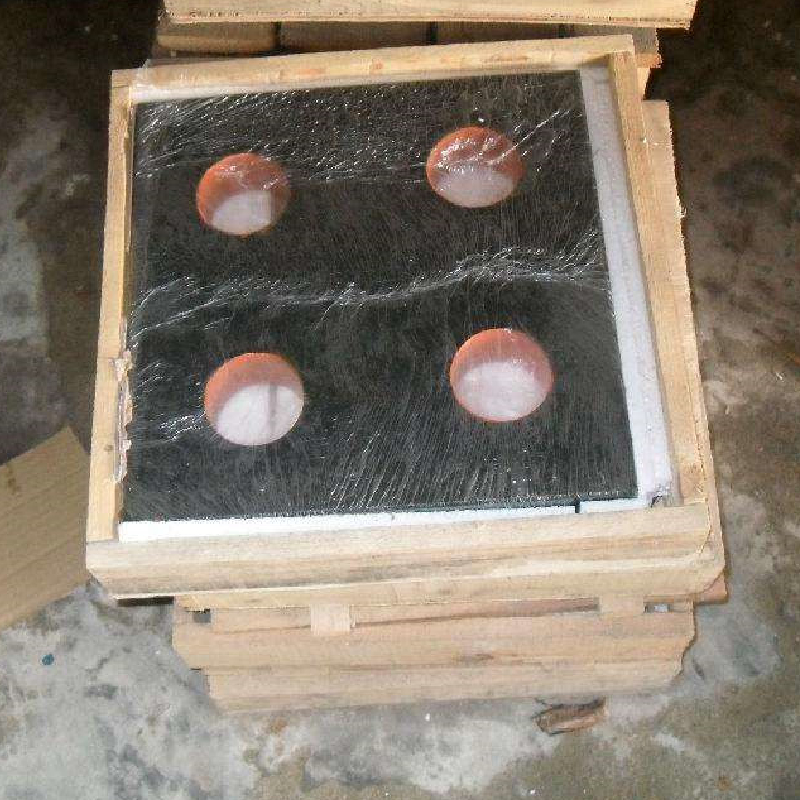
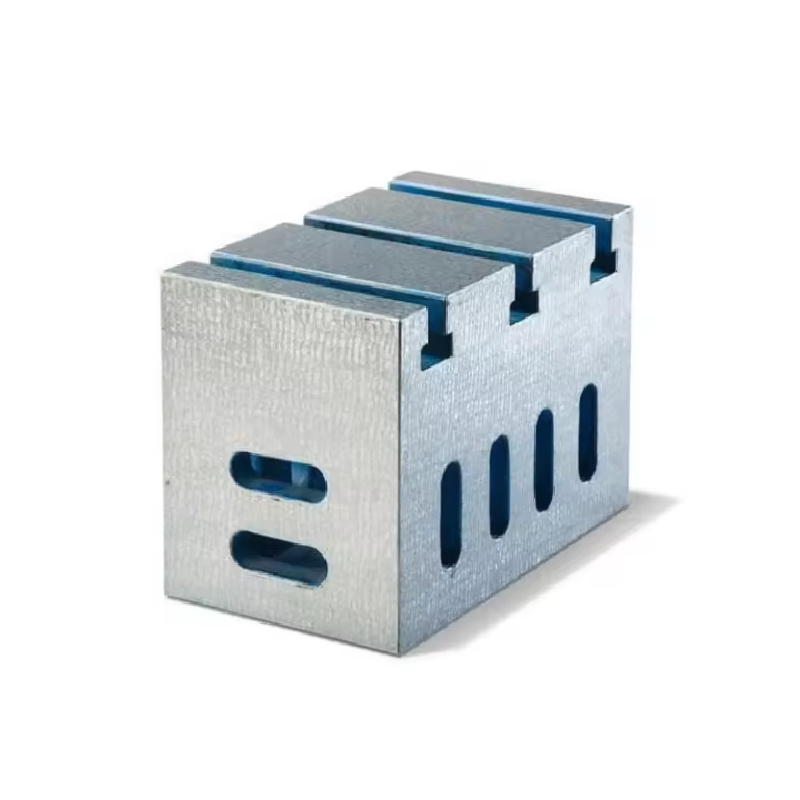
The Precision of Granite Cubes A Deep Dive into Quality and Applications Granite has long been celebrated for its durability and aesthetic appeal, making it a popular choice in construction, sculpture, and various design elements. Among the various forms in which granite is available, the precision granite cube stands out for its unparalleled accuracy and versatility, particularly in industrial applications. What is a Precision Granite Cube? A precision granite cube is a meticulously fabricated block of granite engineered to exhibit high dimensional stability and uniformity. These cubes are used as a reference standard in metrology, which is the science of measurement. Thanks to the inherent physical properties of granite—such as its hardness, resistance to temperature fluctuations, and minimal thermal expansion—precision granite cubes can maintain their shape and size over time. This makes them invaluable tools in manufacturing and engineering, where precision measurement is critical. Manufacturing Process The manufacturing of precision granite cubes requires advanced technology and skilled craftsmanship. The process begins with selecting high-quality granite blocks, which are then carefully inspected for any flaws or inconsistencies. Using specialized machinery, the granite is cut to the desired dimensions, often measuring 100 mm or 200 mm on each side. Following the initial cutting, the cubes undergo grinding and polishing to achieve a remarkably smooth surface finish. This surface quality is essential, as it influences the accurate measurement of various components that come into contact with the cube. Once polished, the cubes are calibrated against known standards using laser interferometry or other advanced measurement techniques. This step ensures that the cubes can serve as reliable references for calibrating other measurement instruments, from micrometers to coordinate measuring machines (CMMs). Applications in Industry precision granite cube Precision granite cubes find a myriad of applications across different sectors. In the manufacturing industry, they are predominantly used for quality control. They serve as a benchmark for inspecting the accuracy of parts produced by machining processes. This capability is crucial, as even the slightest deviation can affect the overall performance of a product, particularly in industries such as aerospace and automotive. Furthermore, precision granite cubes are widely utilized in laboratories for calibration purposes. Their ability to maintain dimensional stability under varying environmental conditions makes them ideal for ensuring that measurement instruments yield accurate results. This application is vital in scientific research, where precise measurements are fundamental to achieving reproducible results. Advantages of Using Granite The use of granite in precision measurement offers several key advantages. First and foremost, granite's natural properties make it highly resistant to wear and deformation. Unlike metals, which may warp over time, granite retains its integrity, providing a long-lasting solution for precision measurement needs. Additionally, granite is not susceptible to rust or corrosion, ensuring that it can be used in a variety of environments without degrading. Moreover, the aesthetic appeal of granite allows it to be utilized not just in industrial settings but also in architectural applications. Many architects and designers opt for precision granite cubes in high-end projects, as they blend functionality with beauty. This trend reflects the increasing demand for materials that are both durable and visually striking. Conclusion In conclusion, precision granite cubes are an essential part of the modern industrial landscape, playing a critical role in ensuring measurement accuracy. Their remarkable properties make them ideal for calibration and quality control across various sectors. As industries continue to prioritize precision and efficiency, the demand for high-quality precision granite cubes is likely to persist, underscoring the value of this timeless material in a rapidly advancing technological world.
about
antique mirror wall panels
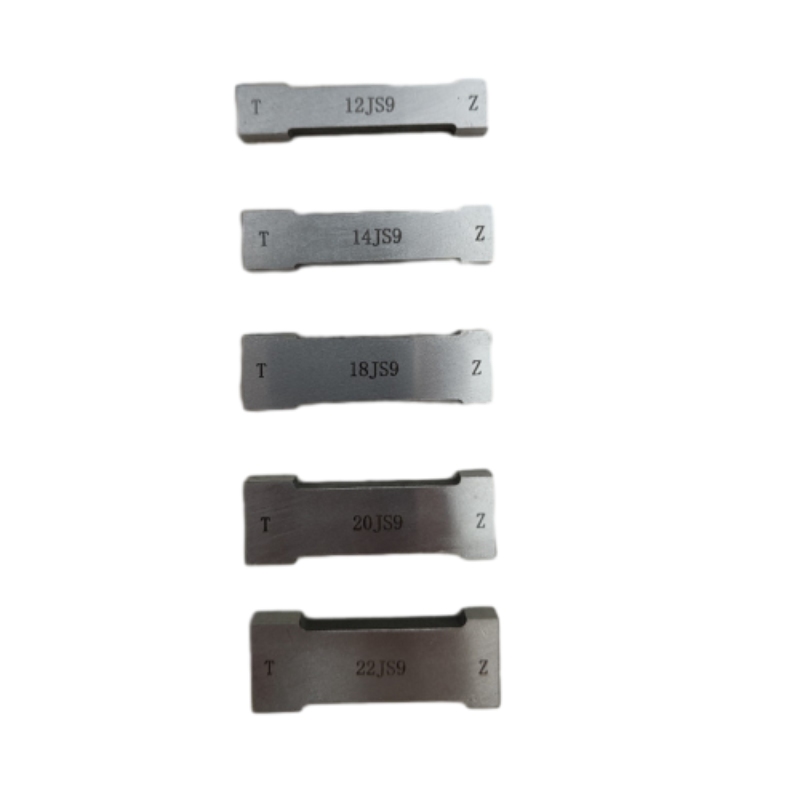
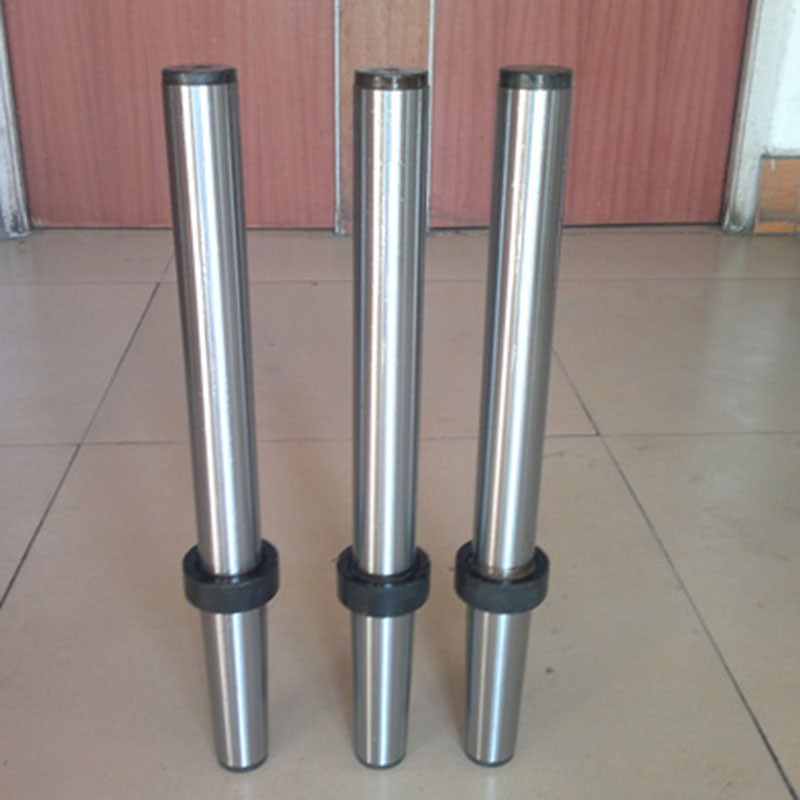
Understanding Bore Measuring Gauges Importance and Applications In the world of precision engineering and manufacturing, the significance of accurate measurements cannot be overstated. Among the myriad of tools utilized to achieve such precision, the bore measuring gauge stands out as an essential instrument. This article delves into the function, design, and applications of bore measuring gauges, shedding light on why they are indispensable in various industries. What is a Bore Measuring Gauge? A bore measuring gauge, often referred to as a bore gauge, is a precise tool used to measure the internal diameter of a cylindrical workpiece (bore) with exceptional accuracy. Typically used in machining and quality control processes, bore gauges help engineers and machinists ensure that the dimensions of a hole meet specified tolerances. This is crucial for the performance and fit of mechanical components, especially in assemblies where precise interactions occur. Types of Bore Measuring Gauges Bore measuring gauges come in various forms, each suited for specific applications. The most common types include 1. Dial Bore Gauges These gauges use a dial indicator to display measurements. They are user-friendly and provide a clear reading, making them a popular choice for many operators. The design allows for quick assessments of internal diameters. 2. Electronic Bore Gauges Leveraging modern technology, electronic gauges provide digital readings, often with enhanced features such as data logging and connectivity to computers for analysis. These gauges are ideal for environments where data accuracy and integration with other systems are critical. 3. Go/No-Go Gauges Specifically designed to determine whether a bore meets specified limits, these gauges are less about precise measurements and more about confirming that a part is either acceptable or not based on simple criteria. The Measurement Process Using a bore measuring gauge typically involves several steps 1. Preparation Before measurement, the bore should be clean and free from debris. This ensures that the gauge can move freely and provide an accurate reading. bore measuring gauge 2. Insertion The gauge is carefully inserted into the bore until it reaches the desired depth. 3. Measurement The operator activates the gauge, taking note of the readings displayed, whether they are on a dial or a digital screen. Adjustments may be made depending on the specific gauge used. 4. Recording Accurate records are essential for quality control, so results are often logged for traceability, especially in regulated industries such as aerospace and automotive manufacturing. Importance in Industries Bore measuring gauges play a critical role across various sectors, including - Automotive Manufacturing In the production of engine components, precise bore sizes ensure optimal performance and efficiency. Bore gauges help maintain stringent quality standards required in the automotive industry. - Aerospace Engineering Aircraft components must meet strict safety and performance criteria. Bore gauges ensure that parts fit together seamlessly, reducing the risk of failure in critical systems. - Metalworking and Machining In the metalworking sector, bore gauges are used extensively to measure tool and part tolerances, allowing machinists to make necessary adjustments that prevent costly errors. - Construction When dealing with large machinery and infrastructure projects, ensuring that bore holes are accurate is vital for the structural integrity of buildings and equipment foundations. Conclusion In summary, bore measuring gauges are fundamental tools in precision manufacturing and quality assurance processes. Their ability to provide accurate and reliable measurements of internal diameters makes them essential across various industries, from automotive to aerospace and beyond. As technology continues to advance, we can expect improvements in the design and functionality of bore gauges, enhancing their usability and precision. Ultimately, the role of bore measuring gauges in ensuring product quality and performance cannot be overlooked, making them a critical component in the engineering toolkit.
-

High quality industrial productsagement

High quality industrial products
View Details -

Meet the diverse needs of customers

Meet the diverse needs of customers
View Details -

Strict quality control

Strict quality control
View Details -

Top raw materials

Top raw materials
View Details -

Trusted supplier

Trusted supplier
View Details
Our application

news and information
Valve Wholesale Quality Products & Competitive Prices
Valve wholesale is an integral part of numerous industries ranging from oil and gas to pharmaceutica
verschillende soorten regelkleppen en hun toepassingen
Verschillende Soorten Controlekranen en Hun Toepassingen Controlekranen zijn essentiële componenten
Valve Wholesale Quality Products & Competitive Prices
Valve wholesale is an integral part of numerous industries ranging from oil and gas to pharmaceutica
 English